Affordable and responsible AI for global health asks how medical AI can serve the patients and health systems that most AI is not built for — in low- and middle-income countries, in conflict-affected regions and wherever specialist care, expensive scanners and large labelled datasets are out of reach.
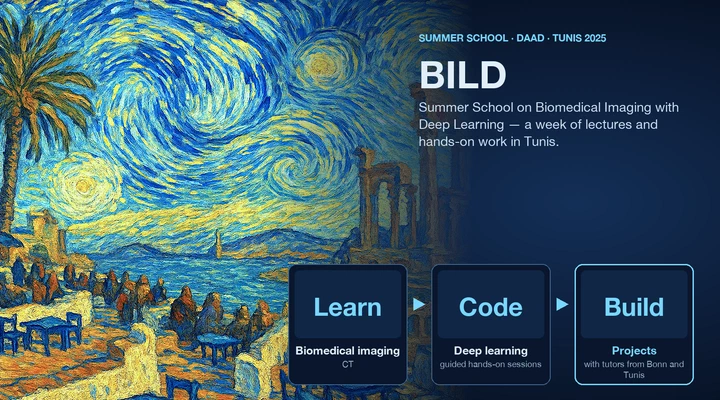
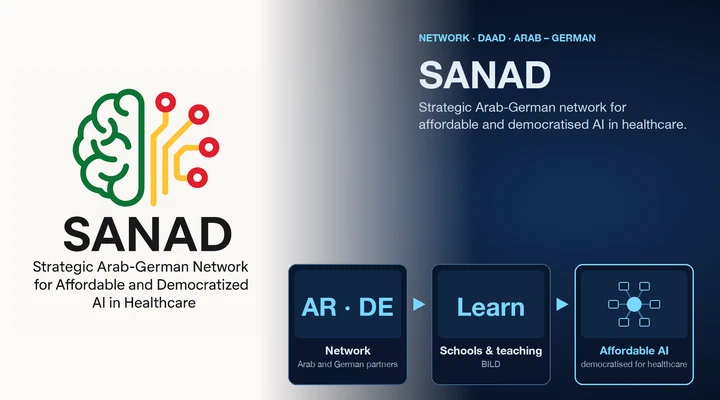
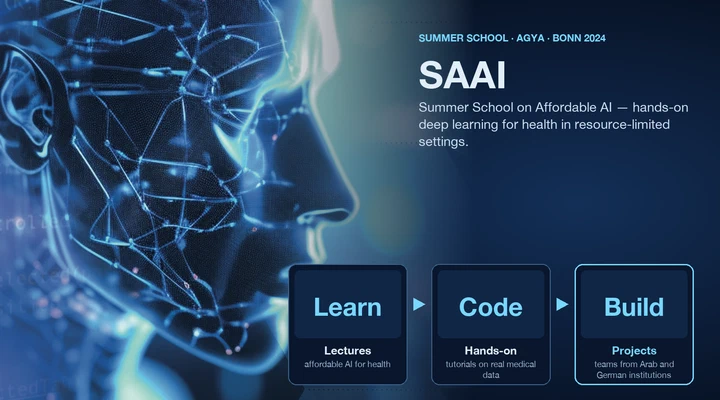
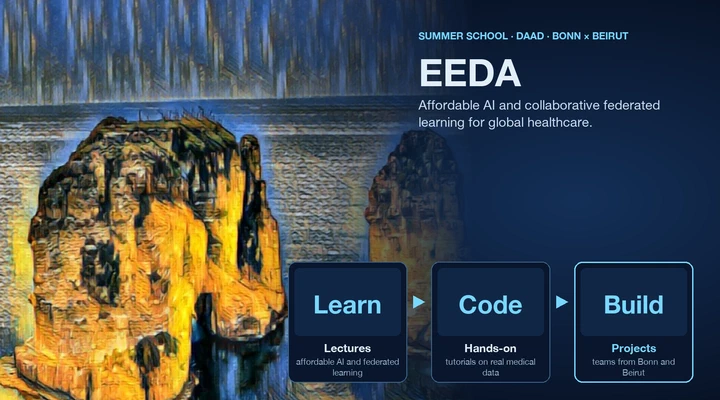
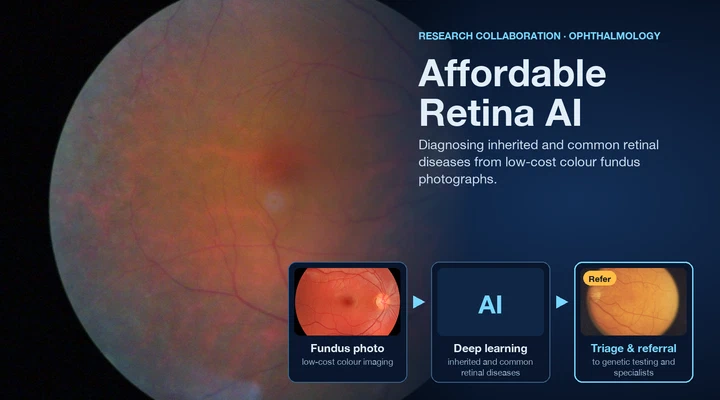
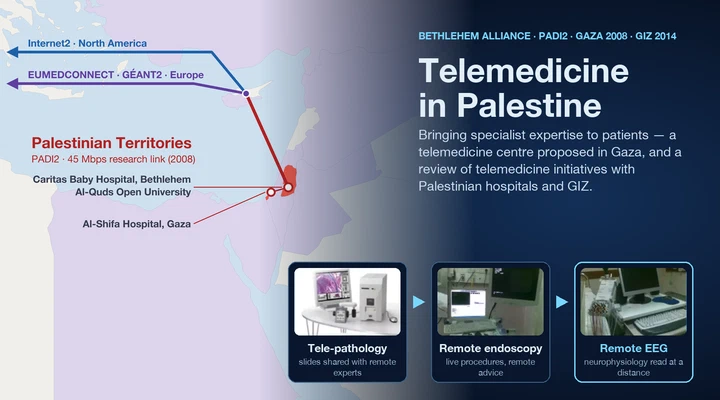
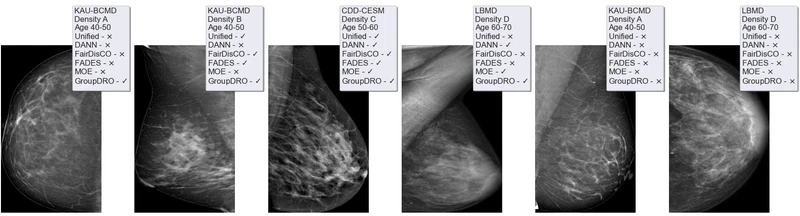
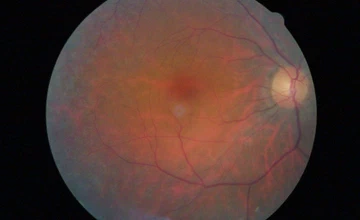
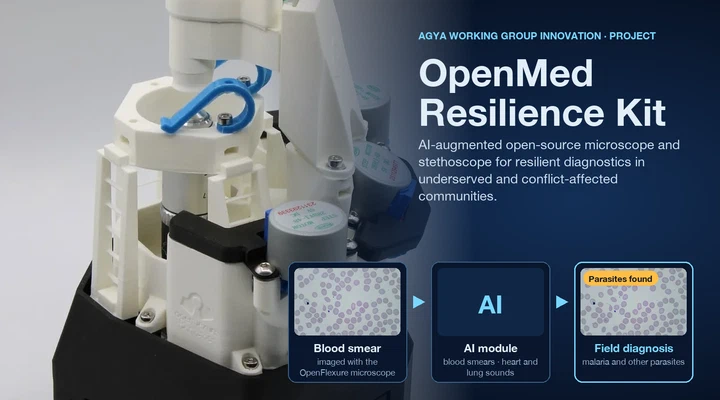
We work on this from several sides. The OpenMed Resilience Kit, a project of the AGYA Working Group Innovation with Hochschule Flensburg, brings AI to open-source hardware: an OpenFlexure microscope for parasites in blood smears and a 3D-printed stethoscope for heart and lung sounds. With the German University in Cairo we develop low-cost breast lesion detection, and Affordable Retina diagnoses retinal diseases from affordable fundus photography. It began with telemedicine in Palestine in 2008, and continues in capacity building across the Arab world — the SAAI, EEDA and BILD schools and the SANAD network — and in policy dialogue through the German Alliance for Global Health Research (GLOHRA).
Our guiding questions: does a model work for every patient group and every hospital, can it run on affordable devices, and who builds and owns it? We favour small, data-efficient and robust models, open hardware and software, and partnerships led together with colleagues in the regions where the tools are used.
 active