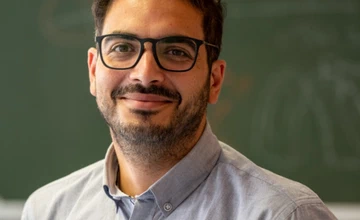
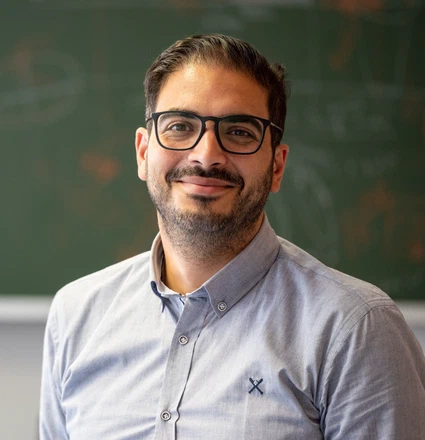
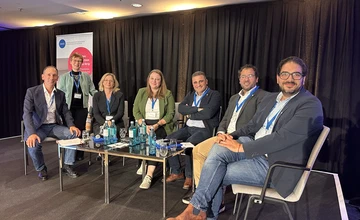
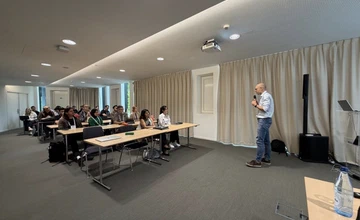
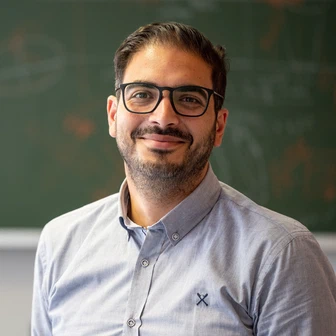
Shadi Albarqouni is a Palestinian-German computer scientist and Professor of Computational Medical Imaging Research at the Faculty of Medicine, University Hospital Bonn (UKB), University of Bonn, where he leads the Albarqouni Lab. His work is driven by a simple question: how can every patient benefit from expert-level imaging diagnostics, also where data, compute and specialists are scarce?
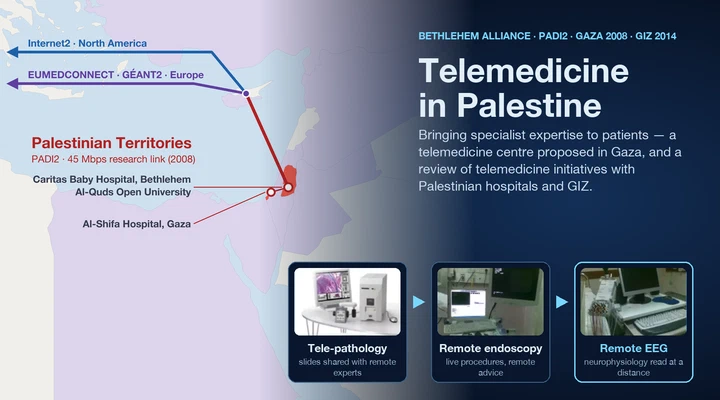
Born in Saudi Arabia in 1984, he moved to Gaza in 2000, and the question goes back to his beginnings there. After a BSc and MSc in Electrical Engineering at the Islamic University of Gaza, he took the initiative to bring telemedicine to Palestinian hospitals. He connected medical equipment such as digital pathology, endoscopy and EEG to share expertise across checkpoints and borders. Supported by a DAAD scholarship, he moved to Germany in 2012 to join the Technical University of Munich, where he earned his PhD in Computer Science summa cum laude (2017) with Nassir Navab. His AggNet paper (IEEE TMI 2016) was among the first deep-learning works on learning from crowds in medical imaging. As a DAAD PRIME Fellow he was a visiting scientist at ETH Zurich and Imperial College London. From 2020 he led a Helmholtz AI Young Investigator Group at Helmholtz Munich, before he was appointed to Bonn in 2022.
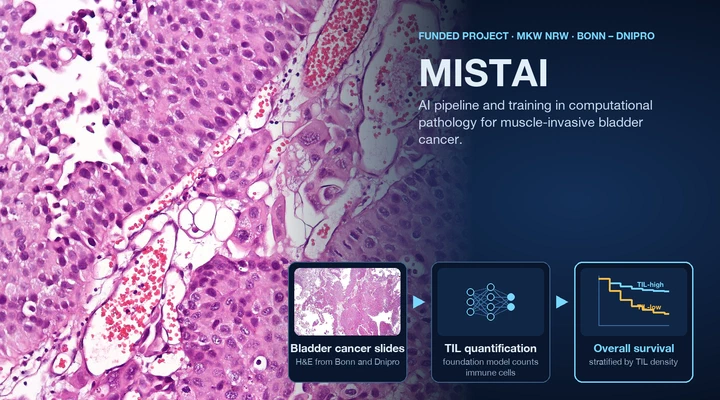
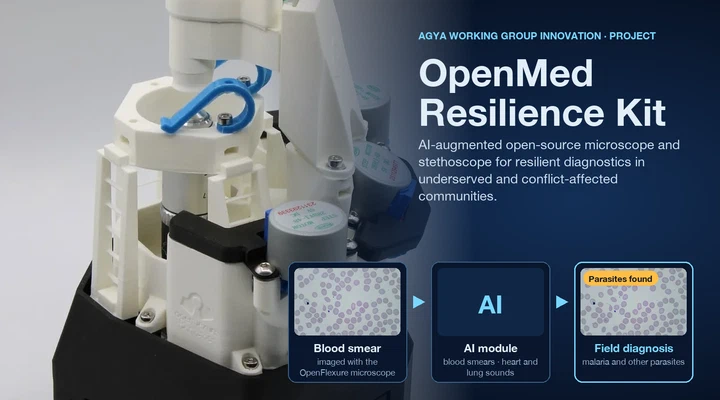
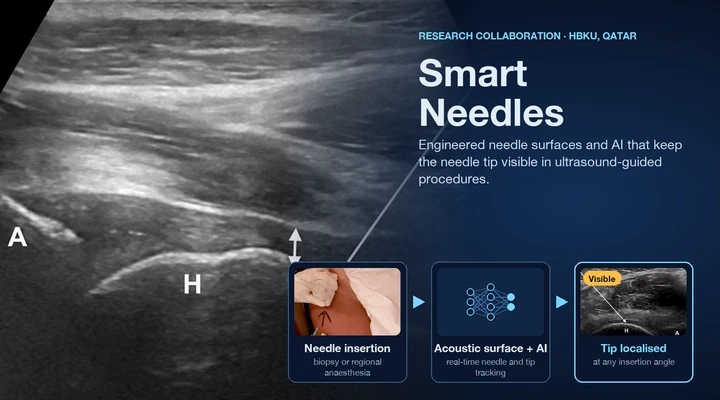
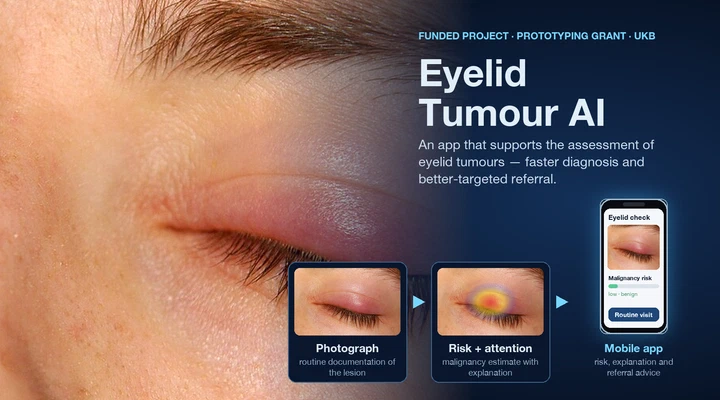
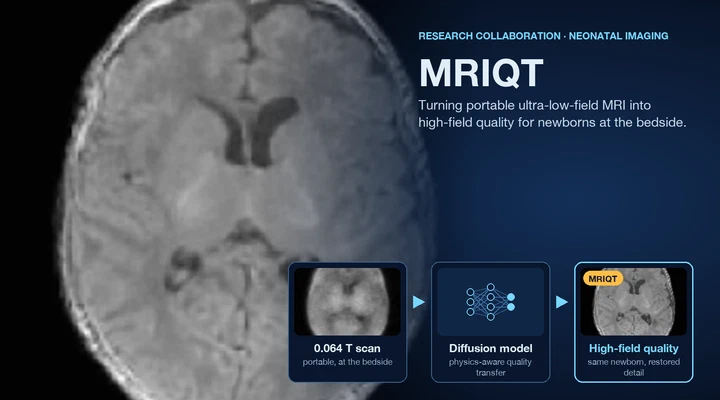
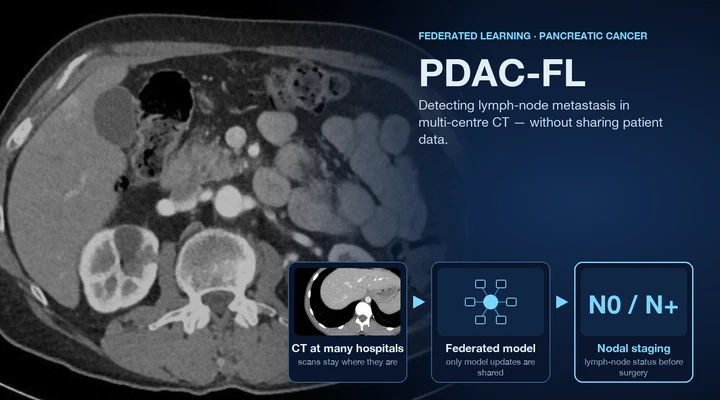
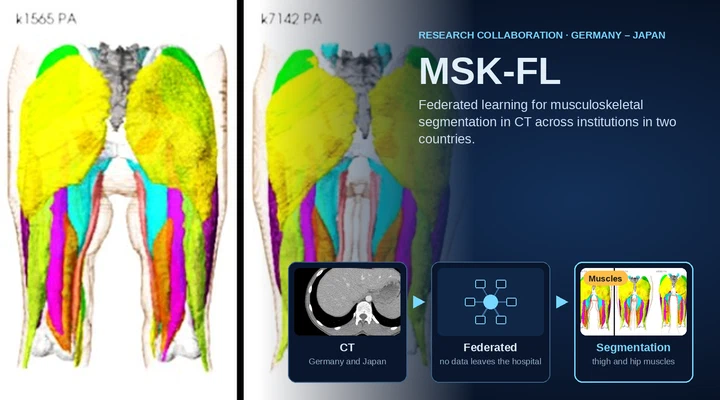
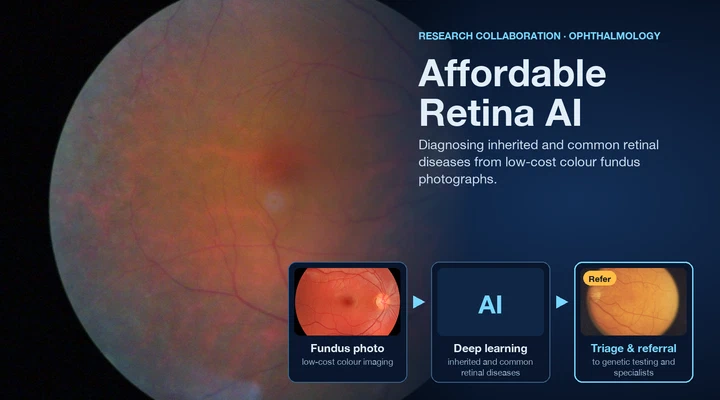
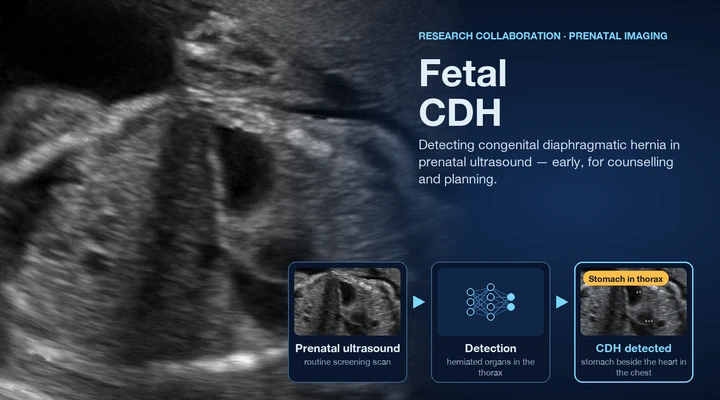
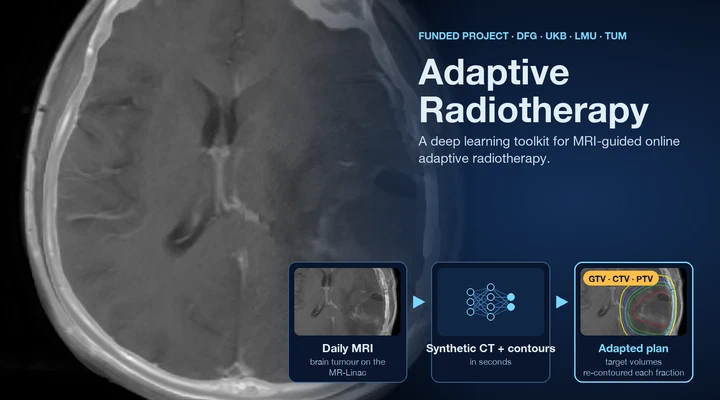
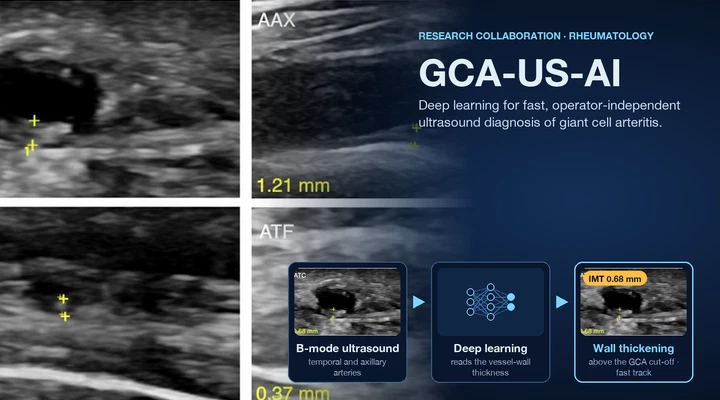
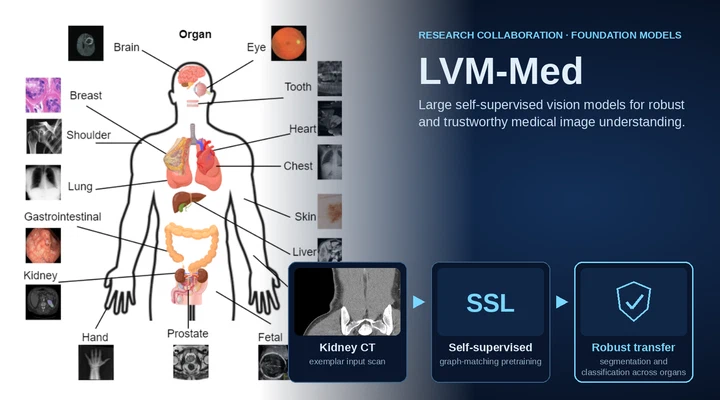
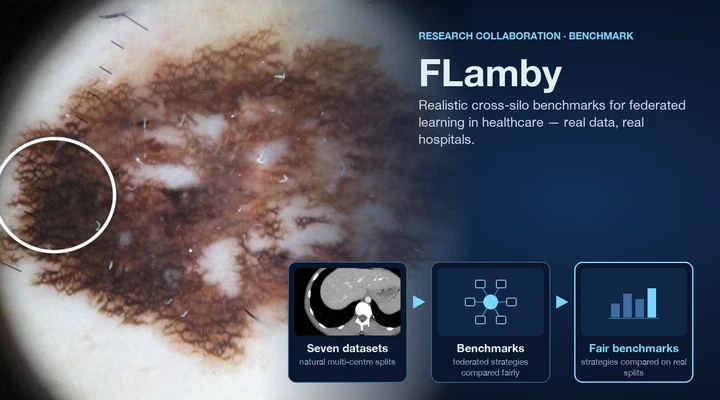
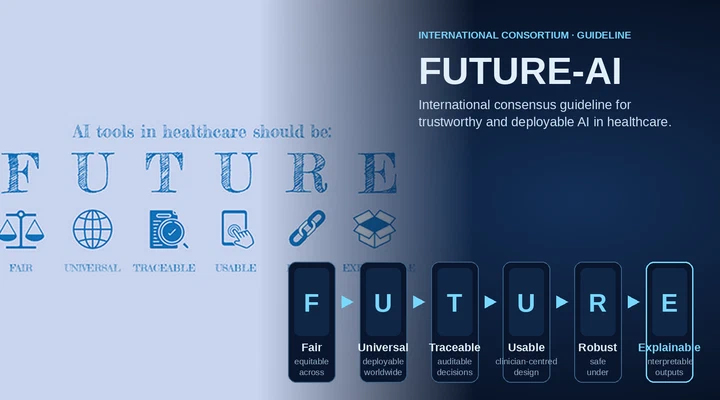
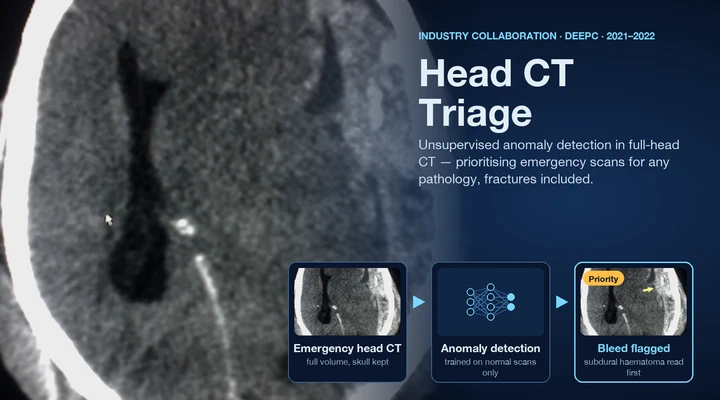
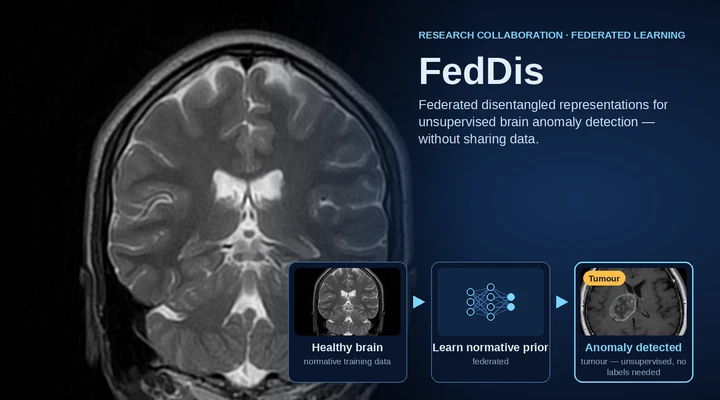
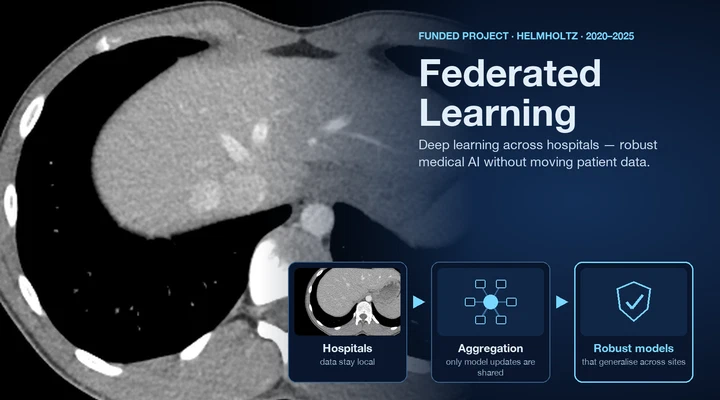
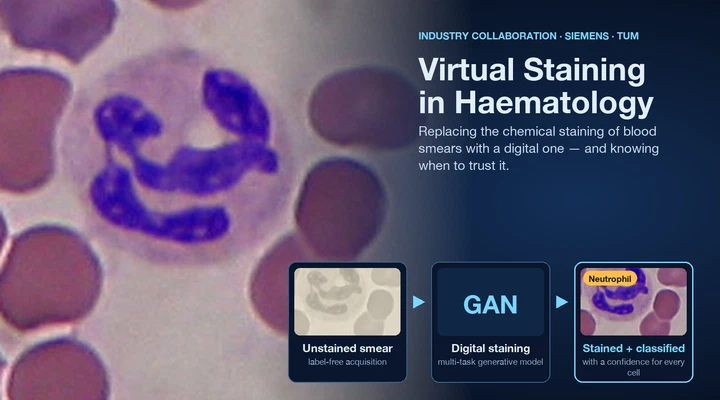
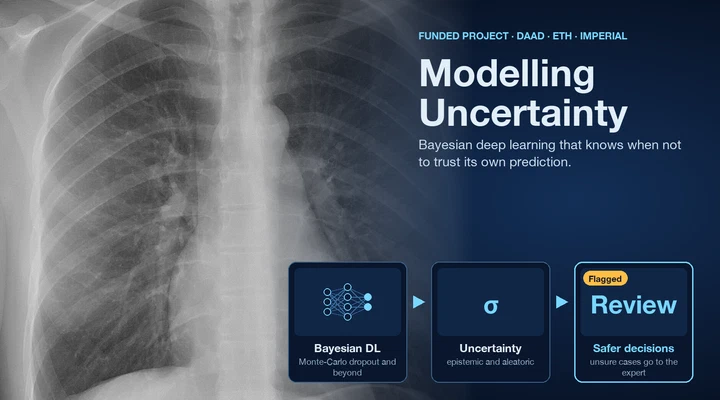
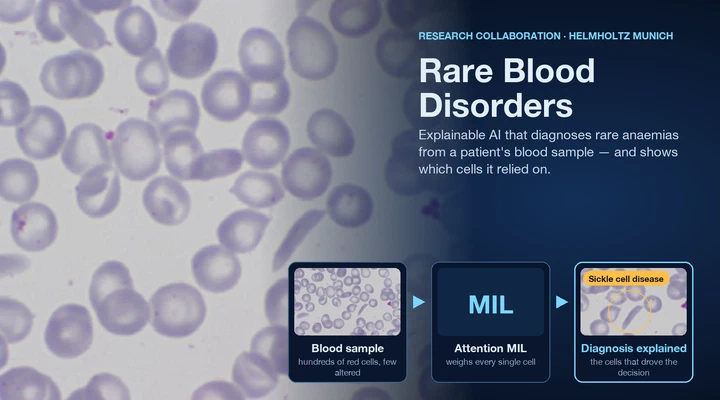
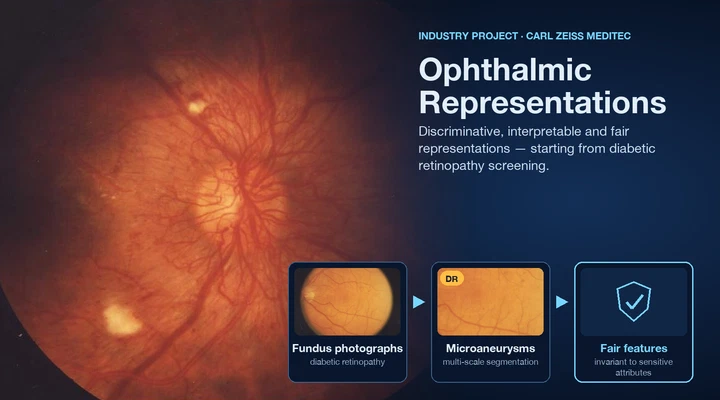
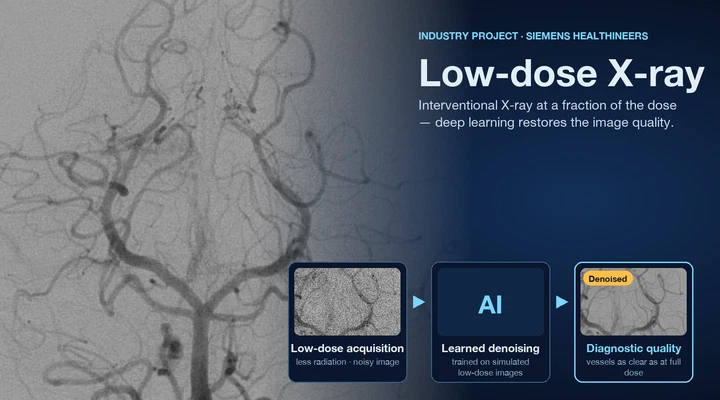
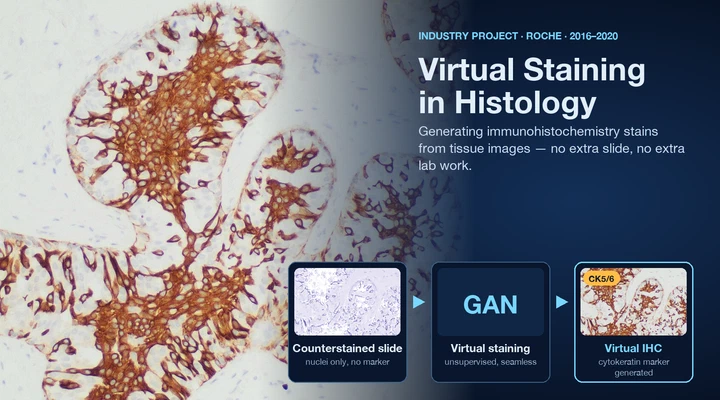
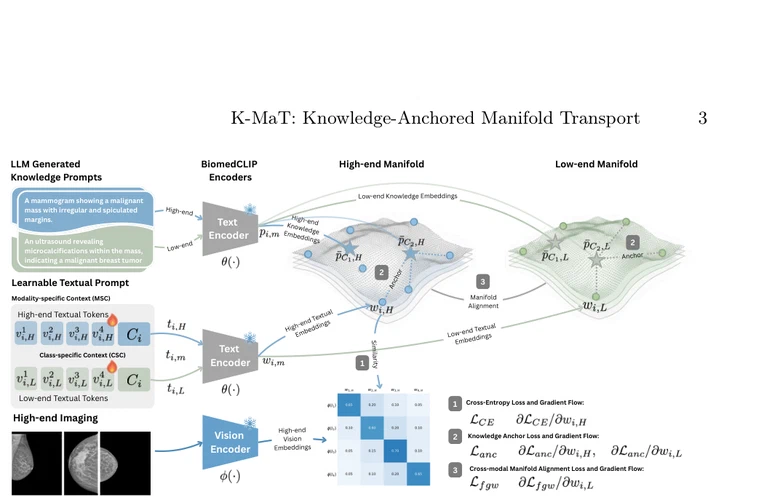
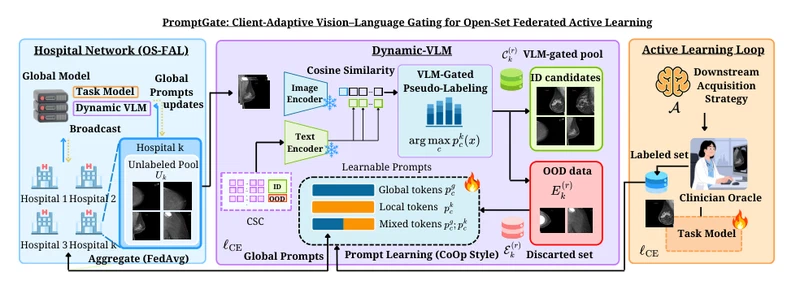
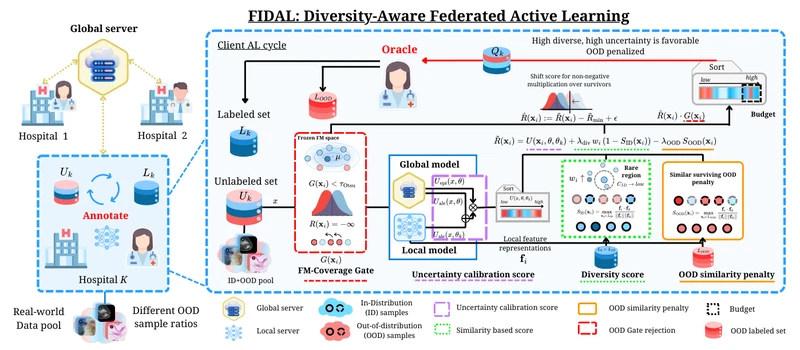
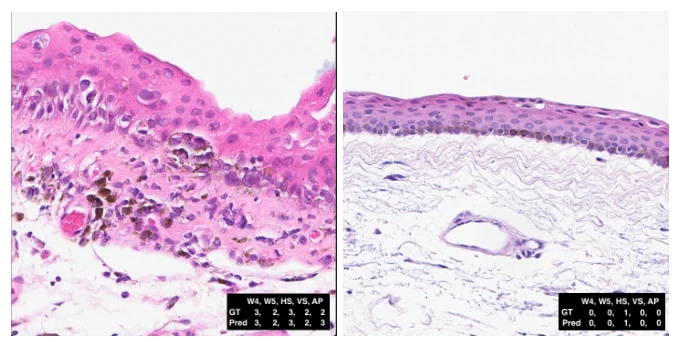
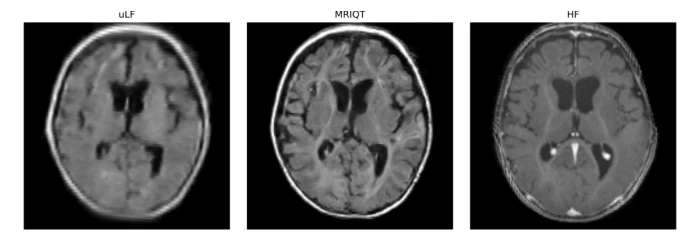
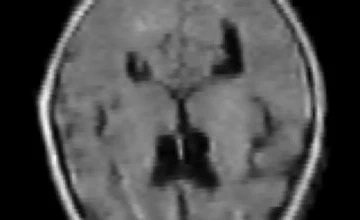
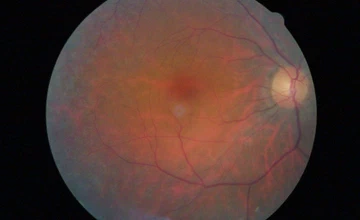
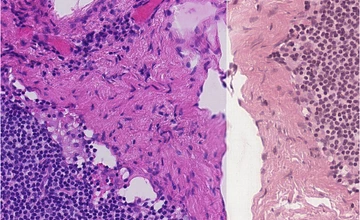
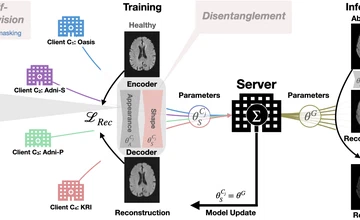
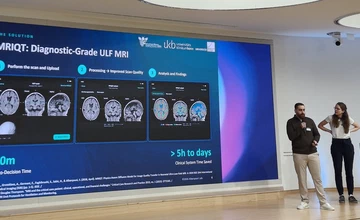
Today his lab develops trustworthy and affordable AI for medical imaging. This means medical foundation and vision-language models, federated learning that lets hospitals train models together without sharing patient data, and principled uncertainty, robustness and fairness. Together with clinicians, the lab translates these methods into radiology, neuroradiology, pathology, haematology, ophthalmology, interventional and point-of-care imaging, from portable ultra-low-field MRI for newborns to a mobile app for eyelid tumours.
He has published more than 160 peer-reviewed papers, cited over 21,000 times (h-index 45), and has attracted about €2.5 million in research funding. He serves as Associate Editor of IEEE Transactions on Medical Imaging and ACM TIST and on the editorial board of IJCV. He has served MICCAI as Area Chair, Challenges Chair (2024) and Workshop Co-Chair (2026), and evaluates research proposals for the European Commission, DFG, BMFTR, DAAD and SNSF.
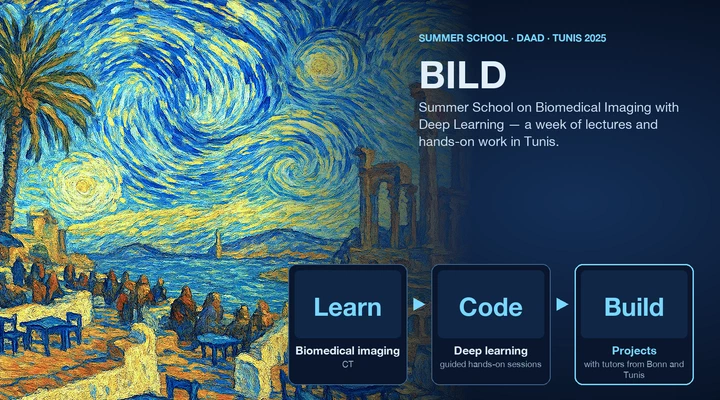
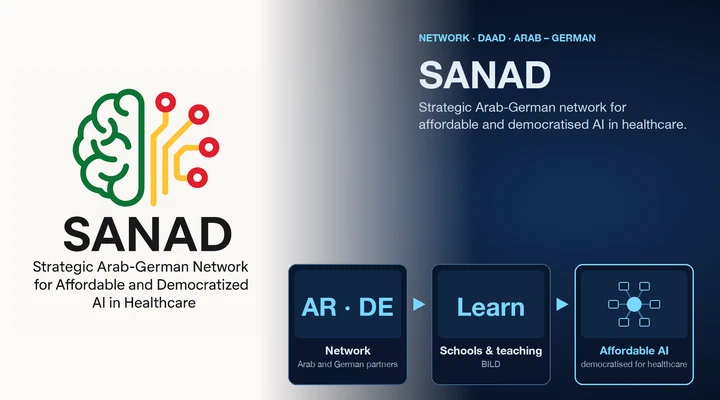
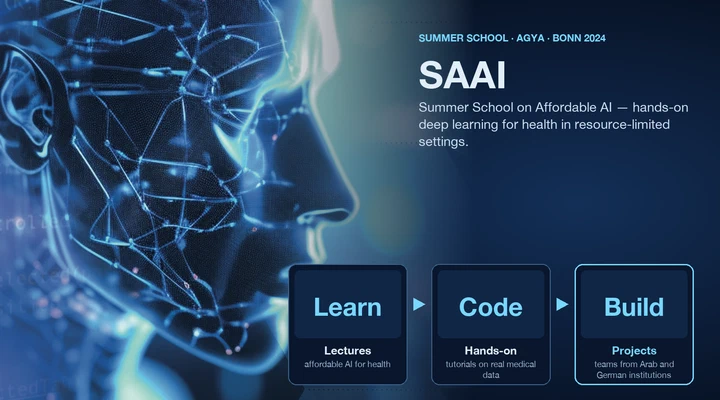
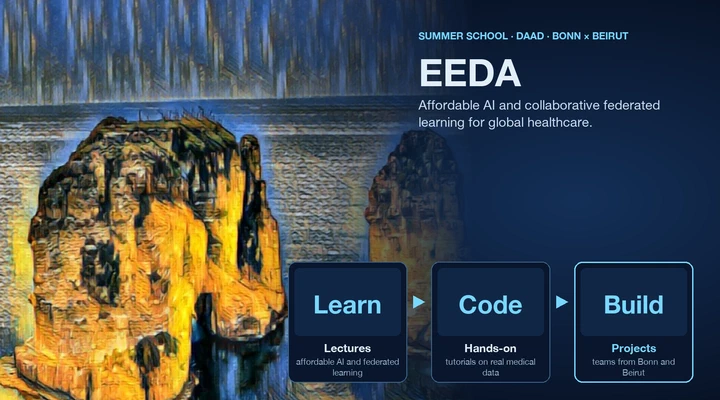
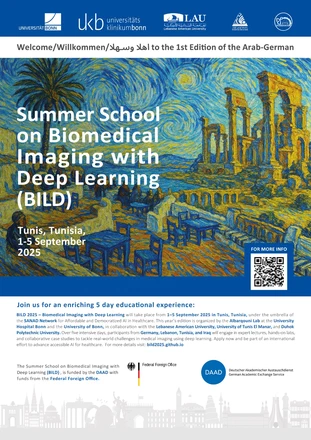
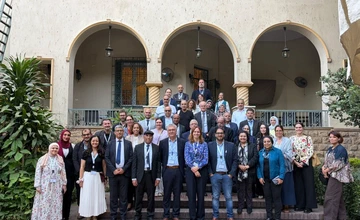
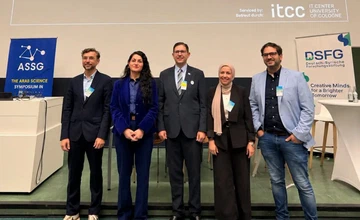
Beyond research, he is committed to science that reaches everyone. He is an elected member of ELLIS, the Global Young Academy and the Arab-German Young Academy, and a member of the Steering Committee of the German Alliance for Global Health Research (GLOHRA). He co-founded RISE-MICCAI, which brings researchers from low- and middle-income countries into the MICCAI community, and leads capacity-building networks across the Arab world, among them EEDA, SAAI, BILD and the DAAD-funded SANAD network, which train the next generation of AI researchers in health.














































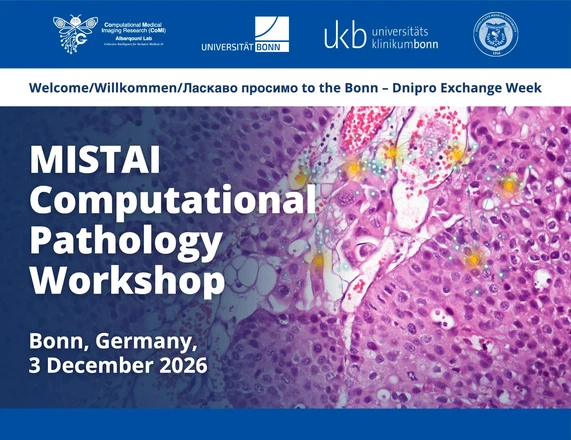
 upcoming